Cordial Brewing: Extracting Coffee for Syrups
A technical guide to brewing pour-over coffee for sweetened, acidified syrups, borrowing from Rao, Hoffmann, and competition coffee.
TL;DR
This is written for coffee nerds who want the technical deep dive. For bartenders? Cordials are way more forgiving than this makes them sound. The goal here is making specialty coffee accessible behind the bar, not adding another complicated prep that only coffee people can execute. Use this as reference when dialing in, not as required reading every shift.
Introduction
Brewing coffee for syrups differs fundamentally from brewing for drinking. This coffee will be sweetened 1:1 by weight with sugar while still hot, chilled rapidly, and likely acidified with citric or malic acid to reshape fruit character. The extraction strategy changes entirely when sugar and acid are part of the equation.
The Basic Idea
The goal isn't balance. The goal is intensity: aromatics, body, structure, because sugar will round out bitterness and acids will rebuild brightness later.
This approach allows pushing extraction further than typical black coffee, but not infinitely. Overextracted tannins and roast bitterness are permanent. Sugar can't fix astringency. It just makes it sweet and drying, which is worse.
This approach borrows from Scott Rao's even extraction thinking, James Hoffmann's repeatability obsession, and competition coffee logic, but repurposed for cocktails instead of scoresheets.
Brew Strength
Typically stronger than standard filter coffee, at 1:11 to 1:13 ratios. Why? Because sweetness and acidification dilute perceived intensity.
- Too weak: syrup tastes hollow
- Too strong: astringency and muddiness
Ratio depends on the coffee. Washed coffees can handle tighter ratios. Naturals get muddy fast. Anaerobics need restraint. Adjust based on coffee process, brewer geometry, and how aggressive the final cocktail is.
Extraction Strategy
Prioritize even extraction over aggressive extraction. Uneven extraction gives sour and bitter simultaneously, and sugar just makes that worse.
Key priorities:
- Eliminate channeling (creates hollow pockets)
- Strong bloom with early agitation
- Back off agitation later to avoid fines migration
- Focus on flavor density and aromatics
Process Matters
Coffee processing (washed, natural, anaerobic) drastically changes how to brew for cordials. Each needs different grind, temperature, and bloom adjustments to avoid harsh notes or extract the right character.
This is too variable to prescribe universally. Dial in based on tasting. The goal is capturing fruit and aromatics without astringency or ferment harshness.
Chilling & Aroma Retention
Chilling appears to help preserve volatile aromatics, especially fruit esters. But the reality: chilling does not create fruit. If the coffee doesn't have fruit aromatics to start, cold won't create them.
Standard Workflow:
- Brew pour-over coffee
- Add sugar 1:1 by weight while hot, stir briefly
- Seal immediately with minimal headspace
- Chill aggressively in ice bath, under 20 minutes
- Acidify after chilling
Acidifying after chilling makes tasting easier and may help with aroma stability. Hot vs cold acid addition is still under testing.
What Can't Be Fixed
Some problems can't be masked with sugar or acid. If these flavors appear, adjust technique or choose different beans:
Drying astringency Caused by over-extraction or defective beans. Grind coarser, lower agitation.
Papery / woody notes Stale coffee or old filters. Check freshness.
Smoky / ashy bitterness Roast defects. Can't fix. Switch coffee.
Theory vs. Reality
Everything above represents the absolute best ideals for brewing coffee cordials. In theory, this is how to maximize intensity, aromatics, and structure while avoiding extraction flaws.
In testing, though? We found too much of a difference between the ideal and what's practical. More importantly, we found that coffee cordials are actually very forgiving, which is great news.
This isn't just about making specialty coffee more accessible to coffee people. It's about making specialty coffee cocktails reasonable for bartenders to get behind the bar and work with. The goal is to make this as easy as possible all around.
This is a working system borrowed from Rao, Hoffmann, and competition coffee, adapted for cocktails. Use it as a starting point, not a rulebook.
More from Techniques
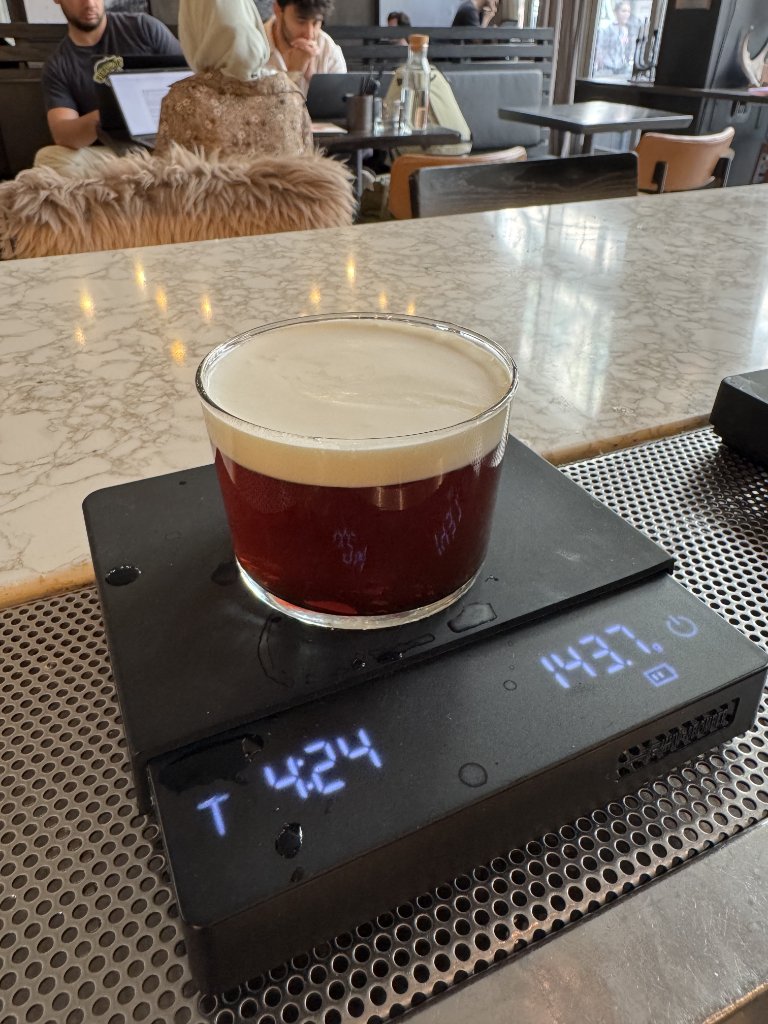
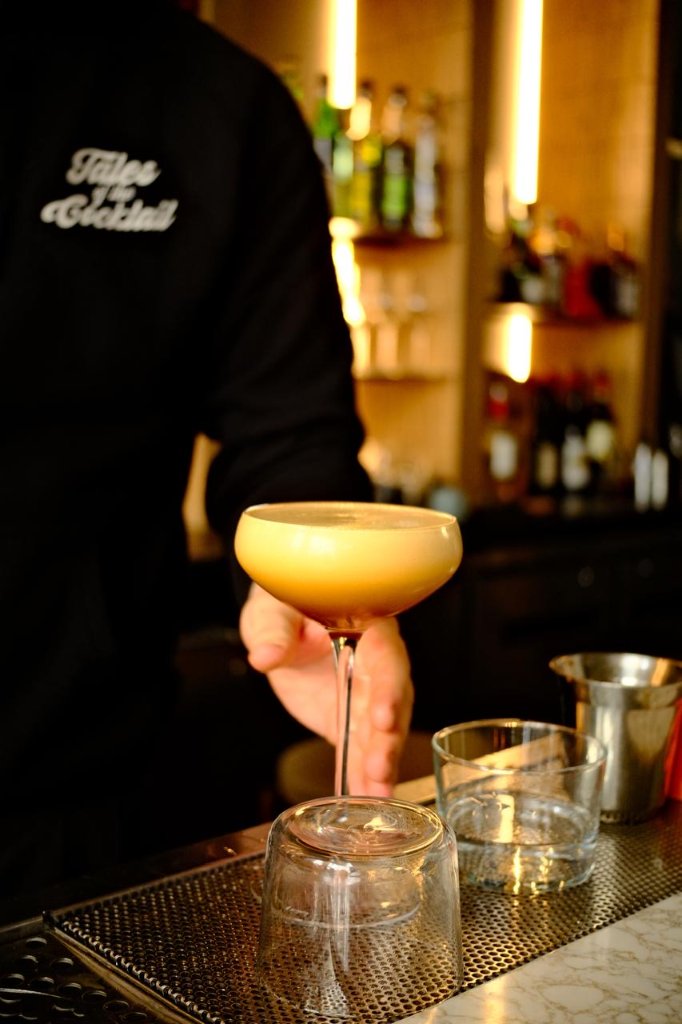
None of this is new. These people have been thinking about cordials and extraction way longer than we have. Worth your time.